

Vias are crucial for both the electrical performance and mechanical reliability of a PCB. Choosing the right plugging method is essential. Here are the common industry approaches:
Non-Plugged (Uncovered)
Leaving vias exposed or using Via-in-Pad (VIPPO) is cost-effective and simple. It also offers better heat dissipation compared to resin-filled options.
Solder Mask Plugging
Used for high insulation requirements, there are two main methods:
Simultaneous Plugging & Printing: A low-cost, simple process, though it may result in voids due to insufficient ink.
Plugging First, Printing Later: The industry standard for automotive and server boards. It offers superior quality but at a higher cost. Advanced "Aluminum Sheet Plugging" is also used to eliminate air bubbles and ensure defect-free filling.
Resin Filling (Epoxy)
Once a premium feature, epoxy via filling is now a standard, highly reliable solution for products requiring excellent electrical insulation.
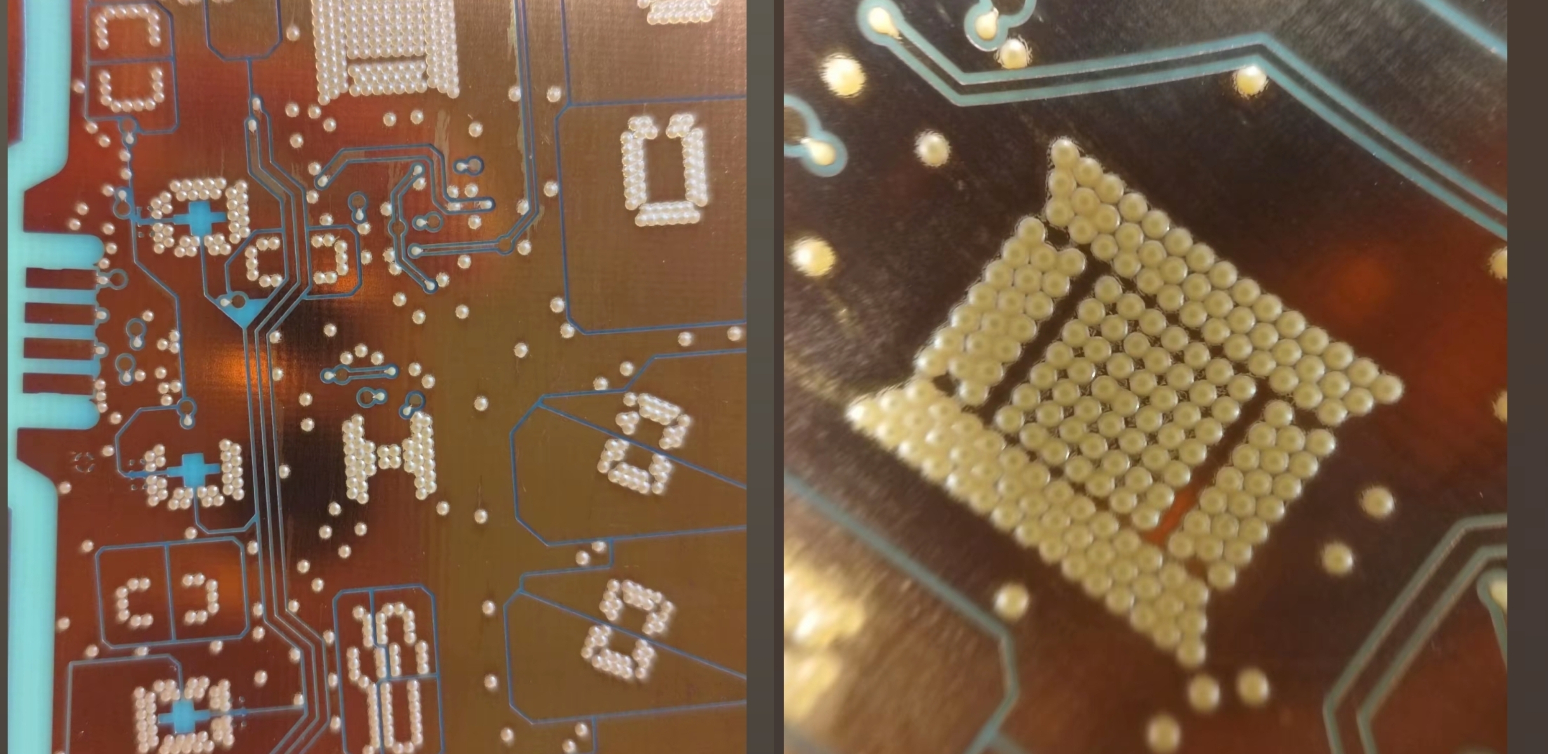
Key Requirements
Conductivity: Vias must maintain copper continuity.
Plating: Adequate plating thickness (e.g., 4 microns) is required; ink intrusion must be avoided to prevent solder balls.
Integrity: Plugged vias must be light-tight and meet specific flatness standards.