

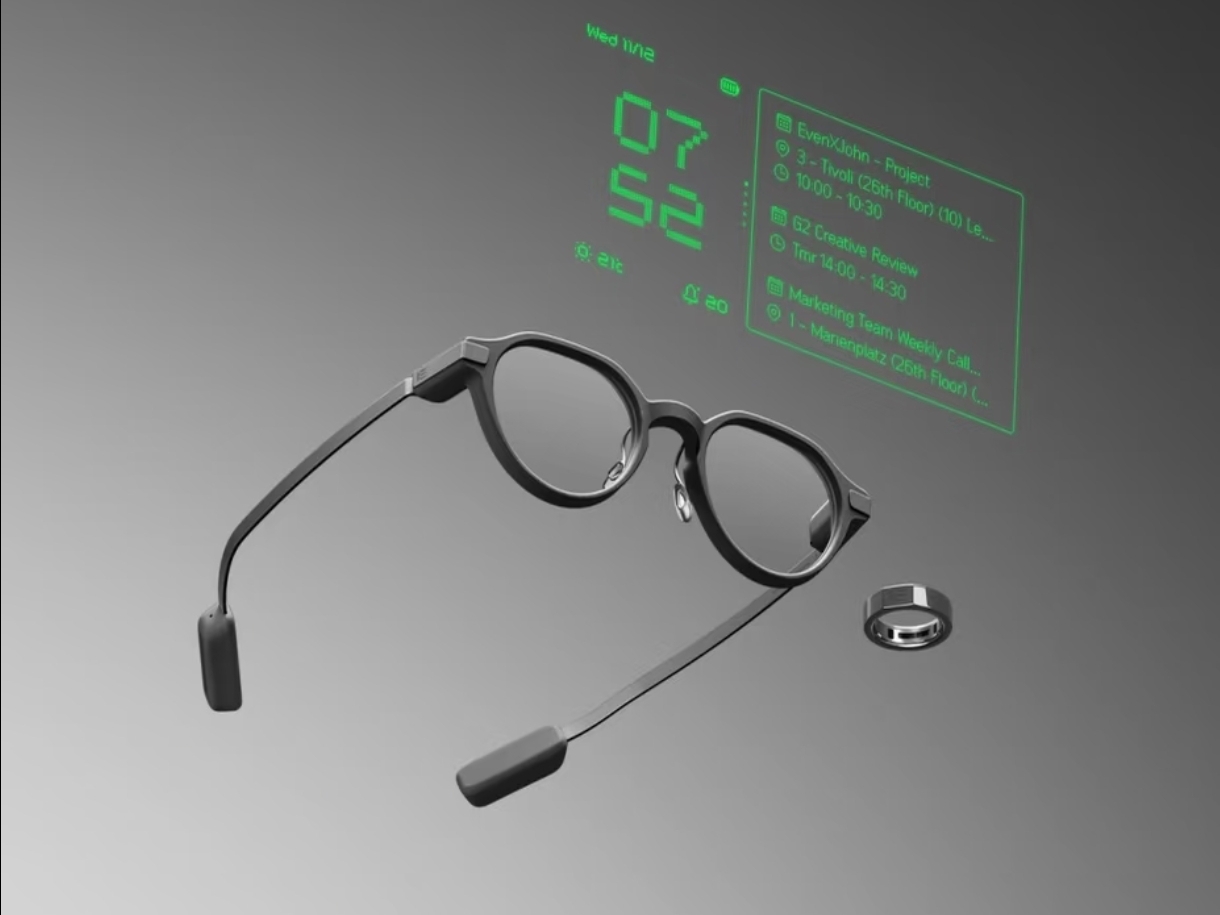
As AI glasses emerge as the core interface bridging the physical and digital worlds, the industry is experiencing explosive growth. Riding this wave, Asinda leverages its deep technical expertise and core micro-pitch multi-layer interconnect technology to provide comprehensive, one-stop solutions for AI glasses.
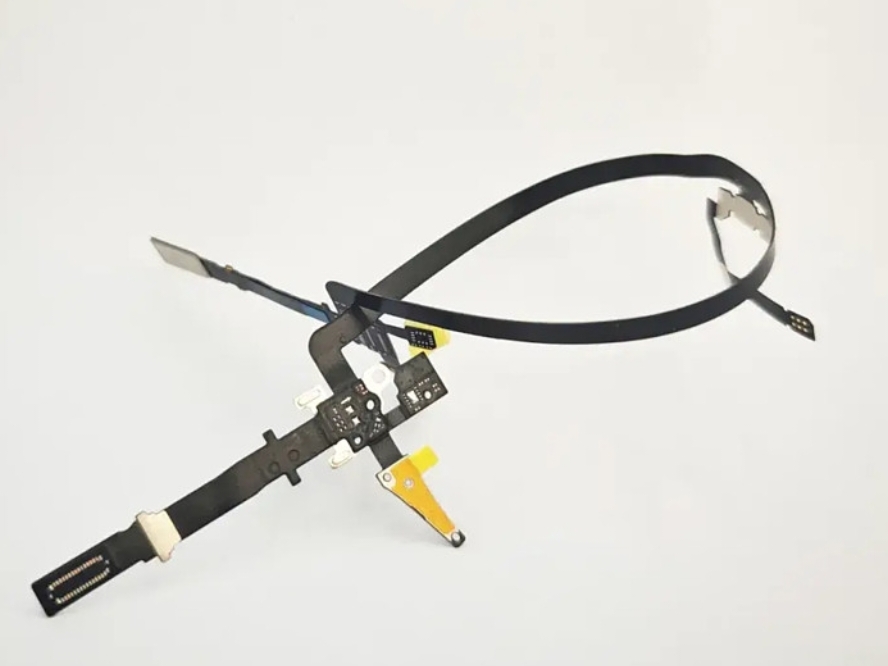
With extremely limited internal space, achieving high-density wiring within ultra-narrow frames remains a critical technical bottleneck in the industry. Asinda has taken the lead in conquering the challenge of "micro-pitch multi-layer interconnects," successfully enabling precision routing for 4- to 6-layer any-layer flexible printed circuits (FPC) within a frame edge just 0.8mm wide.
1. High-Density Integration in Ultra-Narrow Spaces
By constructing a 4- to 6-layer 3D circuit network within a mere 0.8mm frame, this technology highly compresses precision components such as audio modules, power supplies, and sensors, laying the physical foundation for the ultimate lightweight design of AI glasses.
2. Breaking Through Micro-Pitch Interconnect Process Barriers
This technology solves the complex challenge of multi-layer interconnects in ultra-narrow frames, breaking the signal transmission bottlenecks of traditional flexible circuits. It significantly optimizes internal space utilization and markedly enhances device battery life.
3. Balancing Precision Routing with Dynamic Reliability
As wearable devices, glasses must endure frequent bending. While achieving high-density routing, this flexible circuit board has passed up to 500,000 bending tests, ensuring stable performance during daily wear.
Leveraging this core technology, Asinda delivers customized solutions for mainstream AI glasses. In smart audio models, our flexible sensor circuits integrate HD audio, noise cancellation, and touch controls into the limited temple space, ensuring seamless multi-module performance.